
The Allure of Risk and Reward
The psychology behind gambling is deeply intertwined with the allure of risk and reward. Many individuals are drawn to the thrill of potentially winning large sums of money, which triggers the brain’s reward system. This response is similar to what people experience when they engage in other forms of risk-taking behavior. The anticipation and excitement that come with each roll of the dice or spin of the slot machine create an intoxicating experience that can be hard to resist for many players, especially when they consider options like an instant withdrawal casino that enhances the overall satisfaction. The immediate gratification that comes from a win can lead to a cycle of behavior where the individual seeks out that high again and again.
This phenomenon, often referred to as “the win-stay, lose-shift” strategy, illustrates how gamblers are inclined to repeat bets after a win while changing their approach after a loss. This behavior reinforces the connection between gambling and the brain’s pleasure centers. Moreover, the occasional wins can create a false sense of confidence, encouraging players to invest more time and money in hopes of achieving similar success again. This cycle of hope combined with the actual thrill of winning can create a powerful drive that keeps players engaged despite the odds being stacked against them.
Moreover, casinos capitalize on this psychological aspect by creating environments that stimulate excitement. Bright lights, engaging sounds, and the presence of large crowds enhance the thrill and can lead individuals to disregard their better judgment. The ambiance is designed to immerse visitors in a world where the possibility of winning feels palpable, making it easy for individuals to lose track of both time and money. This sensory overload is a calculated strategy to enhance the gambling experience, turning it into a multifaceted adventure that appeals to the core human desire for adventure and risk.
The Role of Cognitive Biases
Cognitive biases play a significant role in how individuals perceive their chances of winning in gambling scenarios. One prevalent bias is the “Gambler’s Fallacy,” where players mistakenly believe that past outcomes affect future results. For example, if a slot machine hasn’t paid out for a while, a player might assume it is “due” for a win, leading to continued play. This type of thinking can encourage irrational decisions, causing players to overlook the actual odds stacked against them. It’s a dangerous cycle that reinforces the behavior of gambling, as players convince themselves of patterns that do not exist.
Another important cognitive bias is the “illusion of control,” in which gamblers feel they can influence the outcome of a game through their actions, even in games purely based on chance. This illusion can reinforce the behavior of gamblers as they employ strategies that they believe will lead to success. Such false perceptions are often exploited through various casino promotions and marketing tactics that make players feel more in control than they really are. This sense of empowerment can lead to increased gambling activity and potentially harmful decisions.

Additionally, the concept of loss aversion, where losses are felt more acutely than equivalent gains, deeply impacts gamblers’ decisions. This psychological principle leads individuals to chase their losses, often resulting in increased gambling activity. The emotional response to losses can create a cycle of behavior that is difficult to break, resulting in a continuous loop of motivation to gamble despite negative outcomes. Understanding these biases is crucial for gamblers, as recognizing them can help individuals make more rational decisions and regain control over their gambling habits.
The Influence of Social Dynamics
The social aspect of gambling in casinos cannot be overlooked, as it greatly affects individual behavior. The presence of other players can significantly enhance the excitement of the experience, leading to a communal atmosphere that encourages further betting. Engaging with fellow gamblers fosters a sense of camaraderie and shared experience, leading individuals to gamble longer and more intensely. People often draw energy from the reactions of those around them, creating a stimulating environment that can amplify their own enthusiasm. This collective excitement can blur the lines of personal responsibility and heighten the gambling experience.
Moreover, the role of social reinforcement plays a crucial part in gambling behavior. Individuals may feel encouraged to participate due to the social pressure to conform to group norms. If a group of friends is celebrating a big win, an individual might feel compelled to keep playing, even if they are not enjoying it as much. This sense of belonging can cloud judgment, making it difficult to step back from the gambling experience. The social dynamics in casinos can often lead to impulsive decisions, as the thrill of collective wins can overshadow the reality of personal losses.
Furthermore, many casinos have integrated social elements, such as shared tables for games like poker, which enhance the thrill of competition. Players often engage in banter and strategy discussions, making gambling not just about financial gain but also about socializing. This dynamic can lead to prolonged visits and higher expenditure, as the focus shifts from mere gaming to creating memorable experiences with friends and strangers alike. The social aspect of gambling can transform it into a shared adventure, making it all the more compelling for individuals seeking connection and excitement.
The Impact of Conditioning and Environment
Gambling behavior is greatly influenced by environmental factors and conditioning. Casinos are meticulously designed with the intention of keeping players engaged and immersed. The layout, from the placement of machines to the absence of clocks and windows, is strategically created to obscure time and space, encouraging longer play sessions. This design fosters an environment where players become absorbed in the gambling experience, often losing track of how much they have wagered. The environment is crafted to eliminate distractions that could lead to self-reflection, compelling individuals to stay longer than they intended.
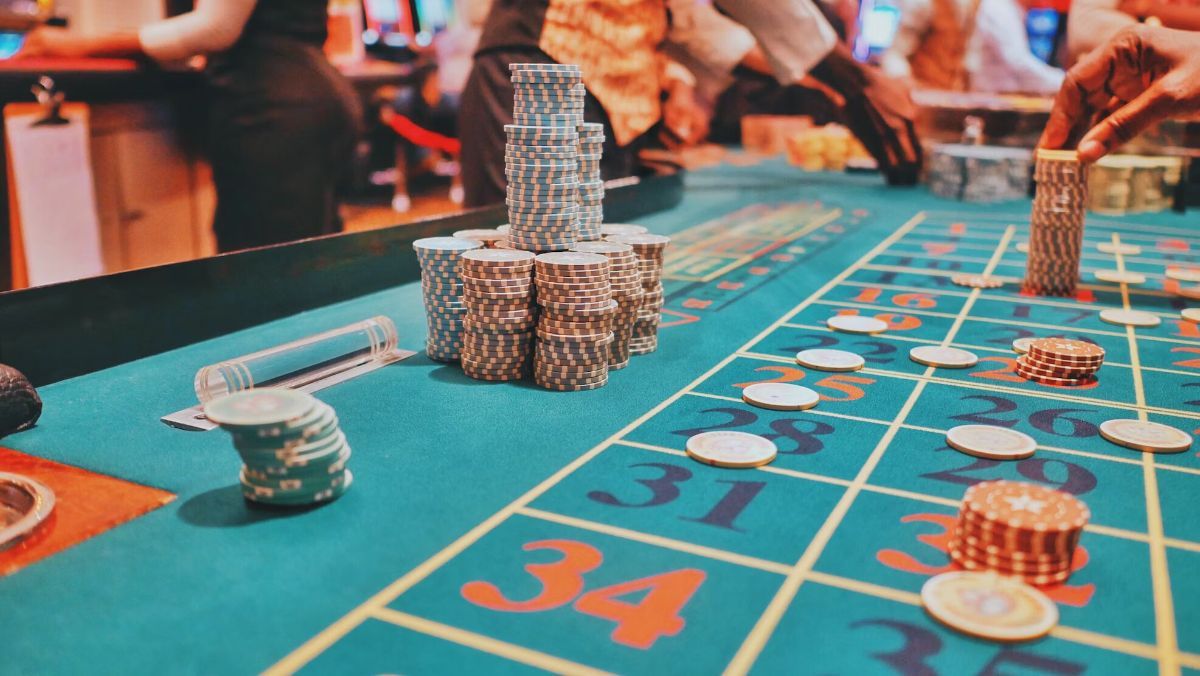
Additionally, the use of reinforcement schedules in casinos serves to condition players to return. Continuous, variable rewards—like smaller wins or bonus rounds—create a sense of excitement that keeps players coming back for more. These intermittent payoffs make it hard for gamblers to establish a clear understanding of their losses versus wins over time, feeding into the addictive cycle. This unpredictability can enhance the thrill, as players remain hopeful about the next big win, often overlooking the financial consequences of their gambling behavior.
Moreover, loyalty programs and promotions further condition players to return. By offering incentives such as free plays, meals, or hotel stays, casinos create a sense of belonging and reward for their patrons. This kind of conditioning plays into the psychological need for recognition and reinforces the behavior of gambling, as players feel compelled to take advantage of these offers despite potential downsides. By exploiting these psychological triggers, casinos can effectively increase customer retention and engagement, ensuring that players remain a part of their ecosystem.
Understanding Gambling Responsibly
In light of the psychological factors at play within casinos, it’s crucial to approach gambling responsibly. Understanding the underlying motivations and triggers can help individuals make informed choices about their gambling activities. Setting personal limits and recognizing the signs of problematic gambling behavior are essential steps for maintaining a healthy relationship with gambling. The first step toward responsible gambling is acknowledging the potential risks and challenges that come with it, fostering a mindset that prioritizes mental health and well-being over the thrill of the game.
Additionally, educating oneself about the odds and mechanics of various games can empower players to have realistic expectations. Understanding that the house always has an edge can diminish the allure of chasing losses and encourage a more rational approach to gaming. Awareness can be a powerful tool in navigating the psychological landscape of gambling culture. Players who are well-informed are less likely to fall victim to cognitive biases and social pressures, allowing them to make choices that align with their financial and emotional goals.
Ultimately, promoting awareness of responsible gambling is vital for both individuals and the industry as a whole. By fostering environments where players can engage in their passion while understanding the risks, casinos can contribute to healthier gaming habits. It is possible to enjoy the thrill of the casino experience without falling prey to the psychological pitfalls that often accompany it. Encouraging open conversations about gambling and its potential impacts can lead to a more informed and responsible gaming community, ensuring that the excitement of gambling is balanced with a commitment to safety and well-being.



0 Comments